
Rooted in Resilience
How Environmental Health Empowers Rural Women
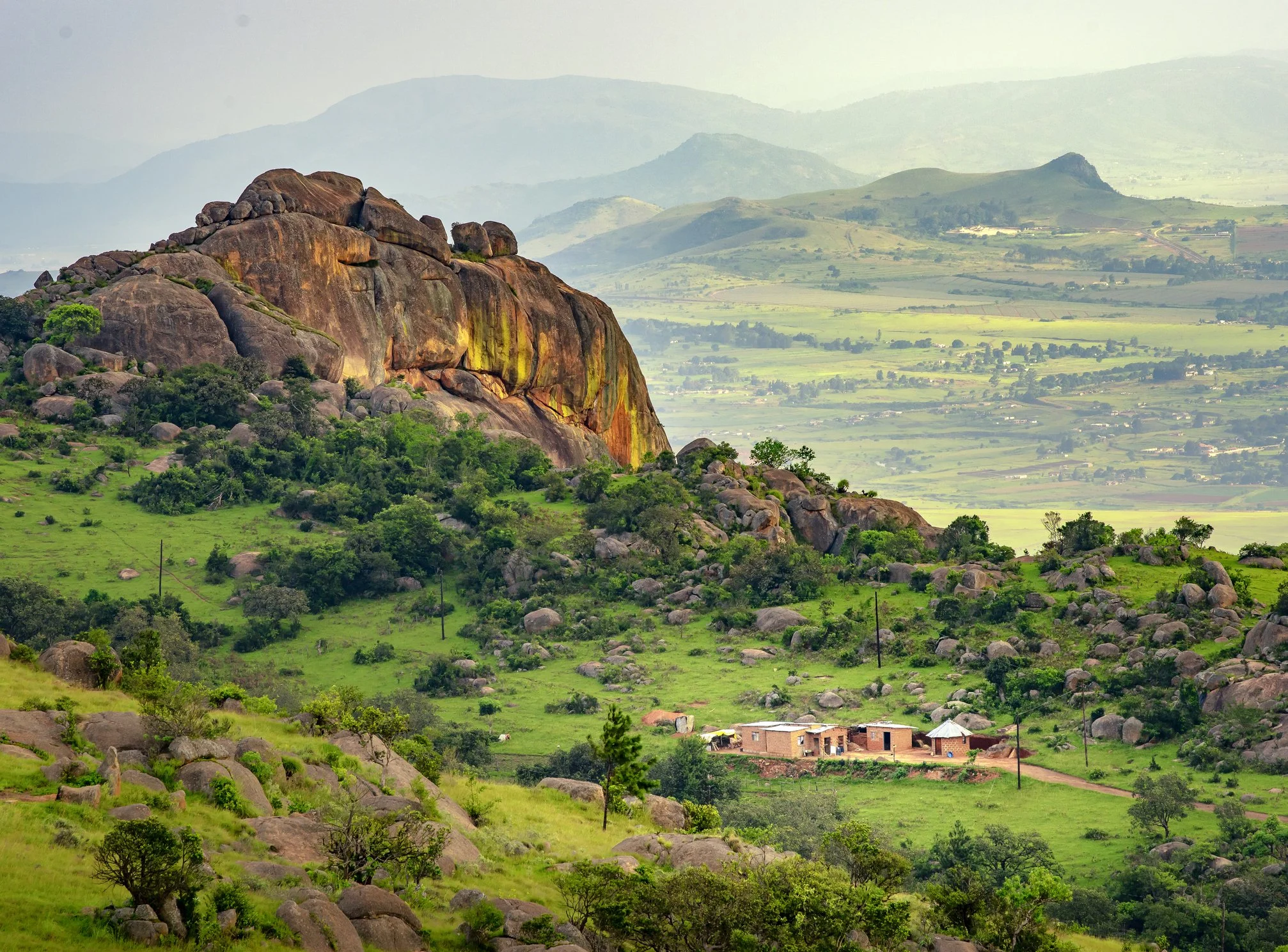
Every morning at 5:00 AM, before the first rays of sunlight hit the high-altitude hills of Mahlangatja, Eswatini, Nokuthula Dlamini* is already at work. Carrying her bucket, she begins a three-kilometer trek down a rocky slope to fetch water for her family. This daily routine highlights the deep connection between rural women and their local ecosystem, where environmental health directly dictates quality of life. Across rural communities, women bear the primary responsibility for gathering household resources, tending smallholder farms, and safeguarding family health. Because their daily lives are so closely bound to natural cycles, a healthy, sustainably managed environment does not merely benefit women—it serves as the bedrock of their safety, financial independence, and well-being.
Homestead Gardens and Household Food Security
At the heart of rural household survival are the small homestead vegetable gardens (tigodzi) cultivated almost exclusively by women, in addition to having small vegetable gardens in their homes. These small plots serve as the primary source of daily nutrition, yielding vegetables such as leafy greens, legumes, maize, and root crops that sustain families year-round.
When local soil health, rainfall patterns, and water tables are preserved through active environmental management, these smallholder gardens thrive:
Direct nutritional security: Fertile topsoil and clean irrigation water directly translate to higher crop yields, protecting families from malnutrition during seasonal food shortages.
Economic autonomy: Surplus produce harvested from homestead gardens allows women to trade at local community markets, generating an independent source of income to pay for healthcare and household needs.
Climate resilience: Women frequently utilize eco-friendly practices in these gardens, such as composting, mulching, rainwater harvesting, and organic pest control, which protect local biodiversity while maintaining high soil productivity even during drier spells.
Alleviating "Time Poverty"
In many rural regions, women and girls experience severe "time poverty," spending multiple hours each day collecting water, gathering firewood, and harvesting biomass for cooking and heating. When local ecosystems degrade, rivers dry up and forests shrink, forcing women to walk significantly farther to find essential resources.
Conversely, environmental restoration—such as protecting river catchments, establishing community woodlots, and preventing soil erosion—yields immediate relief:
Shorter travel distances: Clean water sources and sustainable fuel remain available close to home.
Physical health protection: Reduced travel minimizes chronic joint and spinal injuries caused by carrying heavy loads over long distances.
Opportunities for growth: Hours saved on resource collection can be reinvested in formal education, vocational training, community leadership, or small business ventures.
Enhanced Physical Safety and Community Health
Environmental health directly intersects with personal safety and reproductive wellness in profound ways:
Reducing vulnerability: When resource scarcity forces women into isolated or unfamiliar terrain to forage, their risk of encountering physical harm and gender-based violence rises; thus, preserving local natural resources keeps daily routines within safe, familiar boundaries.
Cleaner water: Protected watersheds reduce the prevalence of waterborne pathogens, directly lowering maternal health complications and childhood illnesses.
Confronting Systemic Challenges
While environmental stewardship is vital, rural women face steep structural headwinds that make their daily labor even more demanding. Across the globe, development indicators consistently show that rural women experience higher rates of poverty, exclusion, and climate vulnerability than either rural men or urban women. To truly support them, we have to look closely at these deeply rooted hurdles:
The land ownership gap: According to the food and agriculture organization of the United Nations (2011), even though rural women make up about 43% of the agricultural workforce globally, and over 50% in parts of Africa and Asia, they own or control only a tiny fraction of the land, hovering around 20% in many regions.
Barriers to resources and finance: When women try to grow their farms or small businesses, they frequently run into brick walls trying to secure credit, financial services, modern technology, quality seeds, and agricultural support.
Deep-seated poverty and food insecurity: Without targeted, meaningful intervention, hundreds of millions of rural women and girls are projected to remain trapped in extreme poverty and social exclusion (Food and Agriculture Organization of the United Nations et al., 2022).
Disproportionate climate impacts: Because their lives and livelihoods are tied so closely to small-scale farming and natural resources, they bear the brunt of droughts, floods, and ecological decay, often despite using brilliant traditional practices that help build climate resilience.
The weight of unpaid labor: Rural women carry an exhausting double shift, managing heavy domestic and care responsibilities right alongside their farm labor, usually earning less than men for equivalent work while lacking basic social safety nets (International Labour Organization, 2018).
Shut out of the conversation: Too often, traditional structures and biased social norms leave rural women entirely out of local governance, land tenure committees, and vital agricultural policy decisions.
Toward a Sustainable Future
Environmental protection is far more than an ecological target; it is a fundamental driver of social equity. When we restore degraded land, safeguard clean water, and practice structured environmental management, we directly lift the daily burdens carried by rural women.
Rural women are not merely vulnerable bystanders to environmental change, they are the backbone of food security, community resilience, and ecosystem stewardship. By empowering women through a healthy environment, we transform individual lives and build resilient, nourished, and thriving communities for generations to come.
*Name is fictitious
References
Food and Agriculture Organization of the United Nations, International Fund for Agricultural Development, United Nations Children’s Fund, World Food Programme, & World Health Organization. (2022). The state of food security and nutrition in the world 2022: Repurposing food and agricultural policies to make healthy diets more affordable. FAO. https://doi.org/10.4060/cc0639en
Food and Agriculture Organization of the United Nations. (2011). The state of food and agriculture 2010–2011: Women in agriculture—Closing the gender gap for development. FAO. https://www.fao.org/4/i2050e/i2050e.pdf
International Labour Organization. (2018). Care work and care jobs for the future of decent work. International Labour Office. https://www.ilo.org/global/publications/books/WCMS_633135/lang--en/index.htm

Sandzi Dladla is a member of the ISO Environmental Management Youth Leadership Group from Eswatini.